
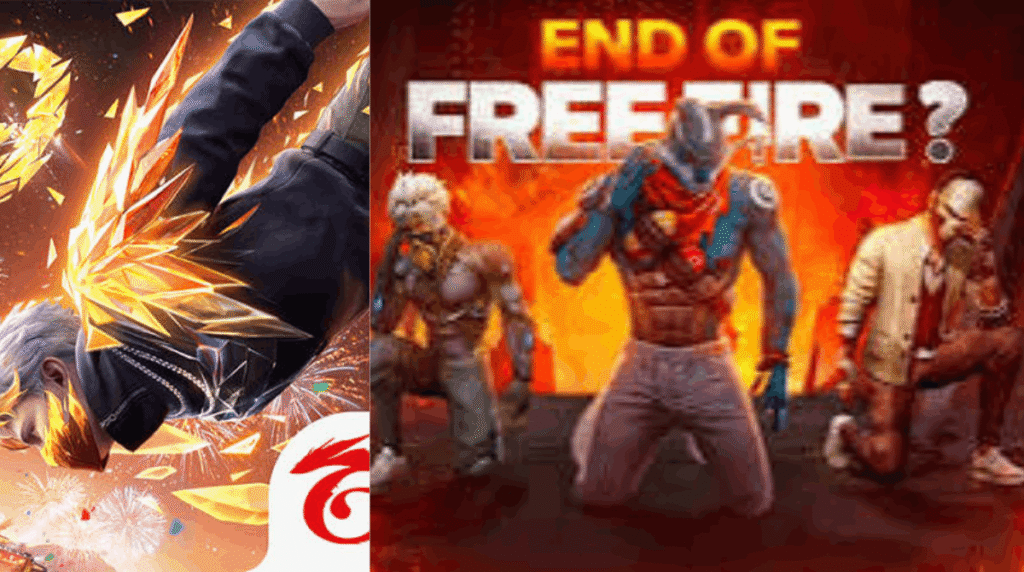
Mobile gaming trends don’t usually last. A game blows up, everyone’s playing it for six months, and then it quietly disappears from people’s phones once the next thing comes along. Free Fire broke that pattern. It came out in 2017 from 111dots Studio, published by Garena, at a time when PUBG and Fortnite were making battle royale the biggest thing in gaming. Free Fire’s answer to that was pretty simple: build the same kind of game, but make it actually work on the phones most people around the world were carrying. Not flagship devices with the latest chips — regular phones, cheap phones, older phones. That decision is basically the whole reason the game is still around nine years later while a lot of louder, shinier competitors have quietly died off.
Why It Plays Different
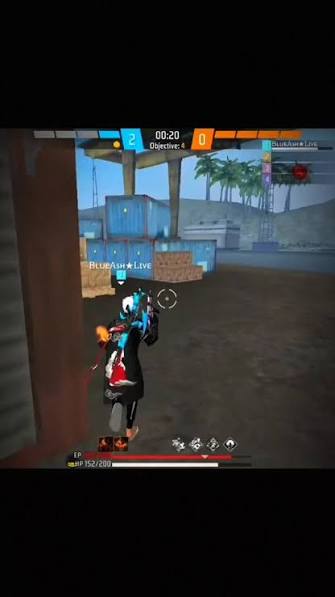
The bones of Free Fire are standard battle royale: 50 players drop onto an island, grab whatever gear they can find, and fight until one squad’s left standing. If you’ve touched PUBG Mobile, you’ll recognize the shape of it immediately. But everything about Free Fire is compressed. Matches wrap up in about ten minutes instead of twenty or thirty. The map is smaller. The safe zone closes in faster and pushes people into fights instead of letting someone sit in a bush for half an hour doing nothing. That’s not a small design choice — it’s the whole reason the game caught on in places where people are playing on a bus, on a lunch break, or on a phone with 20% battery left and no charger in sight.
Then there’s the character system, which honestly might be the bigger reason people stick around. Every character has an actual ability attached to them — not just a skin. Faster reloads, temporary invisibility, extra healing, better loot drops, that kind of thing. You can only run one at a time, and there are dozens to choose from now, so squads end up building little combos around which abilities work well together. It nudges the game closer to a hero shooter than a straight battle royale, and it’s part of why Free Fire never really felt like a knockoff of anything else, even early on.
The Scale Is Kind of Absurd
It’s tempting to write mobile games off as a fad, but the numbers make that hard to do here. Free Fire has been the most downloaded battle royale on mobile for multiple years running, and <cite index=”4-1″>Sea, Garena’s parent company, has said the game is still pulling in over 100 million active players every single day in 2026</cite>. That’s not a “back in its prime” stat — that’s right now. A lot of that comes down to where Garena chose to focus. Instead of chasing the US and Europe first, the company went hard into Southeast Asia, Latin America, South Asia, parts of the Middle East and North Africa — markets a lot of bigger studios more or less ignored for years. Free, low device requirements, optional cosmetics instead of paywalls. It’s not complicated, but almost nobody else executed it this consistently.
It’s a Real Esport, Not Just a Time-Killer
Here’s the part people outside the mobile gaming world tend to underestimate: Free Fire’s competitive scene is legitimately big. The Free Fire World Series has been running since 2019 and has drawn viewership numbers that put it up against tournaments for much bigger PC and console games. <cite index=”6-1,6-6″>The prize pool sits at two million US dollars total, and Buriram United Esports is the current reigning champion.</cite>
And it keeps growing. <cite index=”1-1″>Starting this year, the global tournament expanded from 18 teams to 24, opening things up to more regions that hadn’t had a real shot before, with the Global Finals set for Bangkok this November.</cite> <cite index=”6-1″>The league also expanded into the United States, giving teams there a path to qualify for both the Esports World Cup and the Global Finals.</cite> On top of that, <cite index=”1-1″>Garena rolled out a standalone Clash Squad tournament in 2026 that runs separately from the main FFWS system</cite> — which tells you they think there’s enough competitive appetite to support more than one big format at once. Free Fire also has a slot at the Esports World Cup now, which is one of the richest events in all of competitive gaming, mobile or otherwise. That’s a mobile shooter sharing a stage with some of the biggest PC and console titles out there, and it’s not a token appearance either.
They Never Let It Sit Still
Part of why a nine-year-old mobile game doesn’t feel dated is that Garena basically never stops touching it. New modes, limited-time events, crossovers — it happens constantly. <cite index=”4-1″>Recently that’s included a Free Fire x AAA Lucha Libre collaboration with a Rey Mysterio-inspired set, and confirmation that Naruto is coming back to the game in September 2026 with new characters and abilities.</cite> These crossovers aren’t throwaway cosmetics either — anime and pop culture partnerships have become one of Free Fire’s go-to moves, and they pull in fans who’d probably never have opened a battle royale game otherwise.
Garena’s also pushing the brand past the app itself. <cite index=”4-1″>There’s a story project called “Free Fire Daybreak” that’s been revealed, built around familiar characters like Kelly, Hayato, and Moco</cite>, and an official anime tied to it is planned for 2027. That’s a big swing for a mobile shooter — original storytelling, an actual anime — but it fits the pattern. Garena isn’t treating this like a game that’ll eventually get abandoned. They’re treating it like a franchise.
Not Everything’s Been Smooth
Getting this big comes with real scrutiny, and Free Fire hasn’t been exempt from it. A large chunk of its audience skews young, which has forced some changes. <cite index=”4-1″>In India, Free Fire MAX added playtime limits, spending controls, and identity verification specifically aimed at protecting minors</cite>, which lines up with a broader conversation happening in that region about how much time kids spend on mobile games. On the competitive side, Garena’s also had to crack down on cheating to keep the rankings honest. <cite index=”4-1″>As of August, players using emulators or shared accounts get excluded from official rankings entirely</cite>, which is a fairly blunt way of saying they know people were gaming the system.
None of this is unique to Free Fire, but it does show a game that’s had to grow up a bit — from “fun free app” to something with real responsibility attached, given how many people, especially young people, are playing it every day.
So Why Does Any of This Matter
Mobile battle royales are supposed to be disposable. That’s kind of the assumption going in — they spike, saturate everyone’s phone, and get replaced. Free Fire just… didn’t follow that script. It found an audience that a lot of bigger studios weren’t paying attention to, built the game around their actual phones and actual habits instead of scaling down a PC experience and calling it a day, and then kept reinvesting instead of coasting.
You can come to it for the quick matches you can squeeze into a coffee break, for the character abilities that make it feel less generic than most battle royales, or for a competitive scene that’s genuinely one of the bigger ones in esports right now. Whatever the reason, it’s earned its spot as one of the defining mobile games of the last decade. And based on how much Garena keeps pouring into it — more tournaments, more collabs, an entire media push around it — it doesn’t look like it’s going anywhere soon.
Disclaimer
This article is for informational purposes only. Game details, statistics, and event dates are current as of publication and may change — check Garena’s official Free Fire channels for the latest updates. Free Fire is a trademark of Garena; this site is not affiliated with or endorsed by Garena or Sea Ltd.

