
If you’ve been in a classroom during the past few years, you’ve likely heard the distinct noise of students celebrating during a Blooket review game. What began as a straightforward quiz tool has expanded into a collection of diverse game modes, each offering its own atmosphere, tactics, and level of excitement. However, with so many choices available, it can be challenging to determine which mode best suits your lesson plan or matches your class’s energy on a given day.
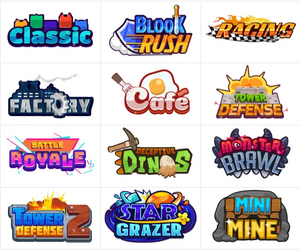
We ranked ten of the most popular Blooket game modes, ranging from “solid but simple” to “students will beg to play again.” Here is where each mode falls and when you should bring it out.
10. Classic
Classic is the original Blooket mode — simple, no extras, and only correct answers earn points. It’s dependable, but when compared to Tower Defense or Gold Quest, it can seem a bit dull. Still, Classic remains an excellent option for fast, low-pressure reviews when you want the focus to stay on the material. Consider it the vanilla ice cream of Blooket: never a letdown, but rarely thrilling.
Best suited for: Quick content reviews, substitute lesson plans, or classes that are just starting out with Blooket.
9. Tower Defense
Tower Defense mode requires students to answer questions in order to earn resources, which they then use to construct defenses against incoming waves of enemies. While it adds an enjoyable twist, the strategic element can occasionally distract from the core review material—students often become so focused on positioning their towers that the questions take a backseat. Nonetheless, it remains popular among fans of strategy games.
Best for: Upper elementary and middle schoolers who love tower-defense mobile games.
8. Fishing Frenzy
Answer questions correctly to catch fish and grow your collection, then trade up for rarer ones. It’s calm, collectible-focused, and less competitive than most modes — which makes it a nice palate cleanser after a high-energy game.The drawback is that it may seem too slow for students looking for more excitement.
Ideal for: A calm, low-stress review session.
7. Café
In Café, students earn money for correct answers and use it to serve customers and grow their restaurant. It blends light management-sim mechanics with trivia, and the aesthetic alone (adorable food art) wins over younger students instantly.The focus is more on atmosphere than fierce rivalry, which can be either a benefit or a drawback depending on your group.
Ideal for: Elementary school classes that thrive on charming, low-pressure activities.
6. Factory
The factory requires students to construct and improve a production line by answering questions in order to maintain a steady flow of resources. It prioritizes steady, correct responses over occasional lucky streaks, making it an effective tool for leveling the playing field, particularly for students who prepare thoroughly but aren’t naturally quick at buzzing in. This version is slightly more complicated to explain than the Classic mode, so plan to spend an additional minute or two on setup.
Best for: Reinforcing a full unit’s worth of content over a longer game session.
5. Battle Royale
In Battle Royale, students go head-to-head in one-on-one question duels, where winners move forward and losers are eliminated. The format is quick, high-pressure, and truly exciting to watch unfold in real time — few moments compare to the silence that falls as the last two competitors face off. Because the elimination structure leads to some students finishing early, it’s most effective when combined with a “quiet activity” for those who have been eliminated.
Best for: High-energy review days when you want max engagement and don’t mind some early finishers.
4. Crazy Kingdom
This one leans into role-playing: students build a kingdom, complete quests, and unlock heroes by answering questions correctly. It has more narrative depth than most modes, which keeps older students engaged for longer stretches. The downside is a steeper learning curve — expect to provide a brief tutorial before using it for the first time.
Ideal for: Extended class sessions where you aim for ongoing involvement, not just a short five-minute activity.
3. Racing
Racing turns correct answers into speed boosts as students race toward the finish line. It’s simple to understand, visually exciting, and creates that classic “come on, come on!” energy without the complexity of resource management. It’s a great middle ground between Classic’s simplicity and the deeper strategy modes.
Best for: A quick energy boost between lessons or as a Friday reward game.
2. Gold Quest
Gold Quest adds a gambling-adjacent twist: students collect gold for correct answers, but can also steal from classmates or get robbed themselves. This unpredictability keeps everyone engaged until the very last second — no lead is ever truly safe, which means disengaged or behind students stay invested. It’s consistently one of the most requested modes for a reason.
Best for: Almost any review session where you want maximum suspense and replayability.
1. Gold Quest: Despite the various King of the Hill and Tower Defense combinations, the ultimate winner is…
Actually, let’s be honest — Gold Quest and Battle Royale are pretty much tied for first place, depending on the vibe of your class. But if we had to choose just one overall winner, it’s Gold Quest. The combination of skill (getting answers right) and pure chaos (getting robbed with only two seconds left) builds a level of tension that gets even your most reserved students yelling at the screen. It rewards knowledge without being too harsh on a single mistake, and the stealing mechanic means almost every game has a comeback story.
Choosing the Right Mode for Your Classroom
The best Blooket mode isn’t necessarily the flashiest one — it’s the one that matches your goal for the day. A few quick guidelines:
- Need a fast, low-prep review? Classic or Racing.
- Want maximum suspense and engagement? Gold Quest or Battle Royale.
- Teaching a longer unit and want deeper reinforcement? Factory or Crazy Kingdom.
- Working with younger students who need lower stakes? Café or Fishing Frenzy.
Blooket’s true advantage lies in its ability to adapt, rather than offering a single approach for every situation. Switching between various game modes prevents review sessions from becoming monotonous, and choosing a mode that fits your class’s energy on any particular day can transform a standard quiz into the most engaging part of the lesson.
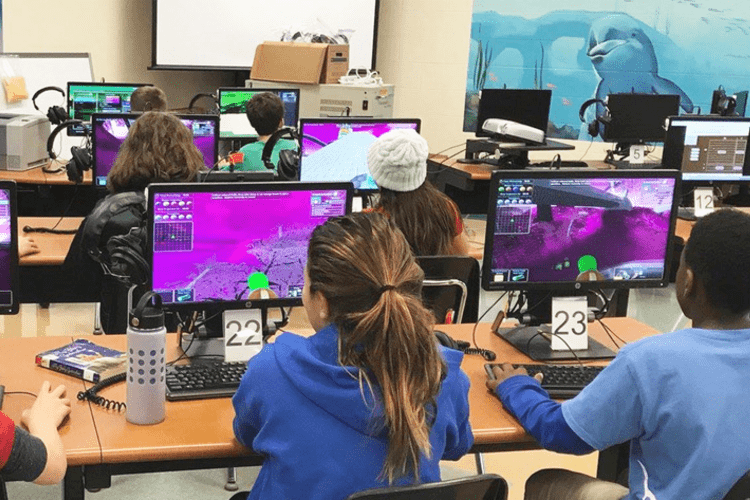
So next time you’re planning a review session, don’t just default to Classic out of habit — try ranking your own class’s favorites and see if Gold Quest dethrones everything else the way it did for
Disclaimer:
Blooket.blog is an independent, fan-run resource and is not affiliated with, endorsed by, or sponsored by Blooket LLC or its parent company. “Blooket” and all related game mode names (Gold Quest, Battle Royale, Tower Defense, etc.) are trademarks of their respective owners and are used here for descriptive and educational purposes only. Rankings and opinions expressed in this article reflect the views of the author and are based on general classroom use — individual results may vary depending on class size, age group, and content. Game modes, features, and availability are subject to change by Blooket LLC at any time; always check the official Blooket platform for the most current information.
Want me to bake this into the markdown file itself (e.g., as a footer block), or keep it separate so you can reuse it across other posts on the site?
Want to be notified when Claude responds?