Okay, so you’ve done the classic move — pull up Blooket, run a quick round, watch kids who normally couldn’t care less about review suddenly lock in. Works every time. But here’s the thing. One round is just a preview. If you actually want your classroom buzzing for days, not minutes, you need to run a tournament.
And I don’t mean “just play Blooket a few extra times.” A real tournament is its own event. Brackets on the wall. Rivalries. A little bit of chaos. Bragging rights that last until winter break. Do it well and kids will still be talking about it weeks later. Here’s how.

Why Tournaments Just Hit Different
A single game is fun, sure, but it’s over before it really means anything. A tournament stretches that same energy across multiple days — sometimes a whole week — and it gives your class something a one-off round never can: a story. Somebody’s the underdog nobody expected. Somebody’s defending a title. And somebody, without fail, completely falls apart in the final round. That’s the stuff kids actually remember, way more than whatever’s on the worksheet.
There’s also a practical upside. Review fatigue is real — cram everything into one sitting and half of it doesn’t stick. Spread it out over several tournament rounds instead and, honestly, retention goes up and nobody gets bored halfway through.
Step 1: Pick a Mode That Actually Works for Competition
Quick warning — not every Blooket mode is built for head-to-head play, so don’t just default to whatever you used last time.
- Gold Quest or Tower Defense — solid for leaderboard-style tracking. Good fit if you want a “top scorers move on” bracket.
- Battle Royale or Crypto Hack — better if you want real eliminations. Players can get knocked out mid-game, which raises the stakes fast.
- Racing — great for a quick, dramatic finale where everyone can literally watch the finish line.
Running this in stages — qualifiers, semis, championship? Start with something calmer early on and save the wildest mode for last. You want the energy to build, not peak too early.
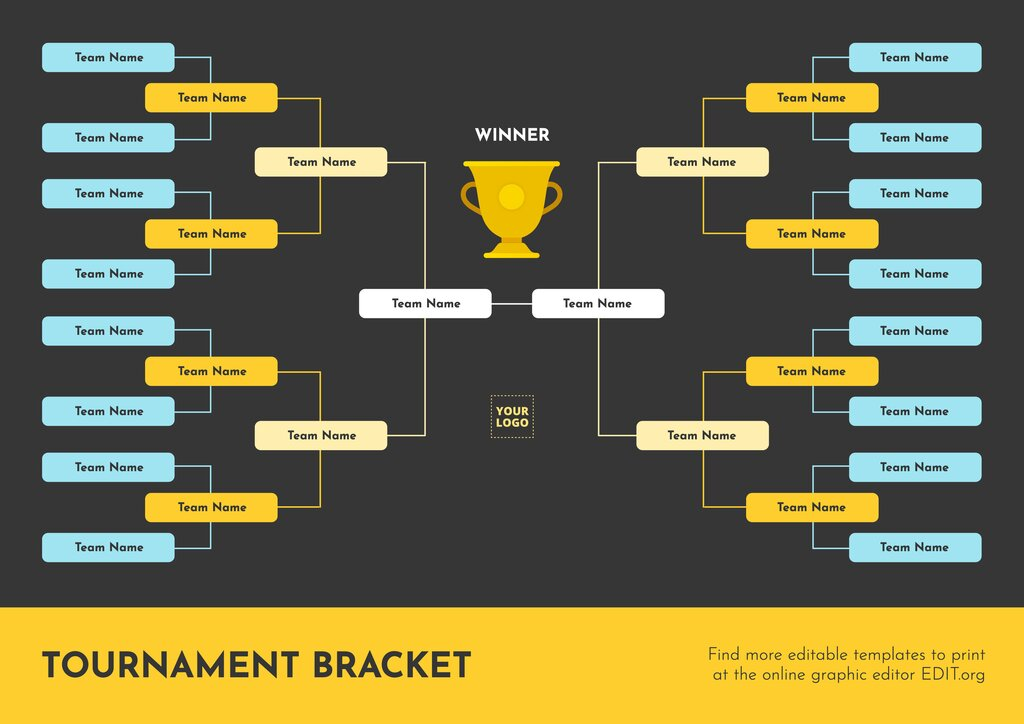
Step 2: Actually Build a Bracket
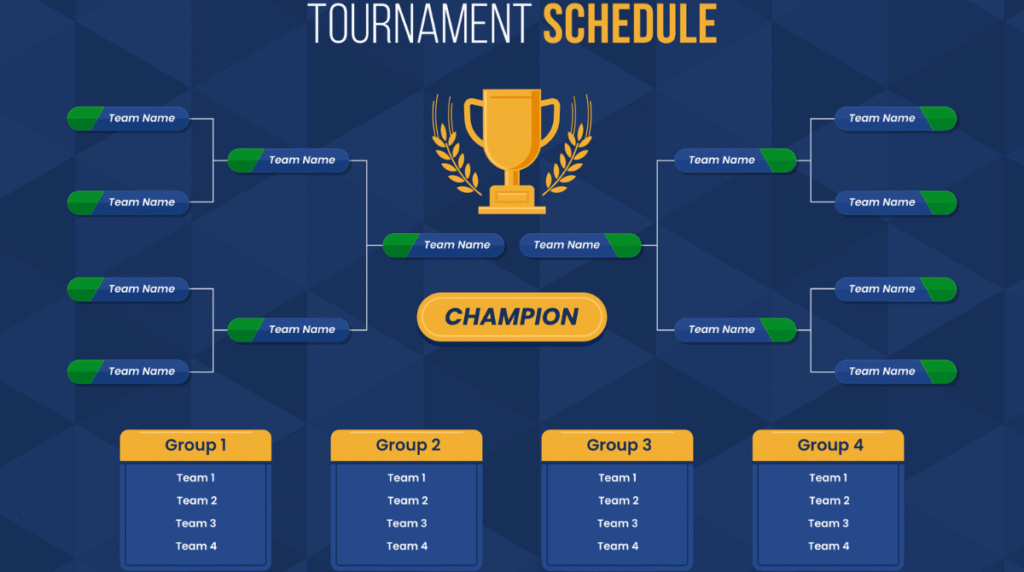
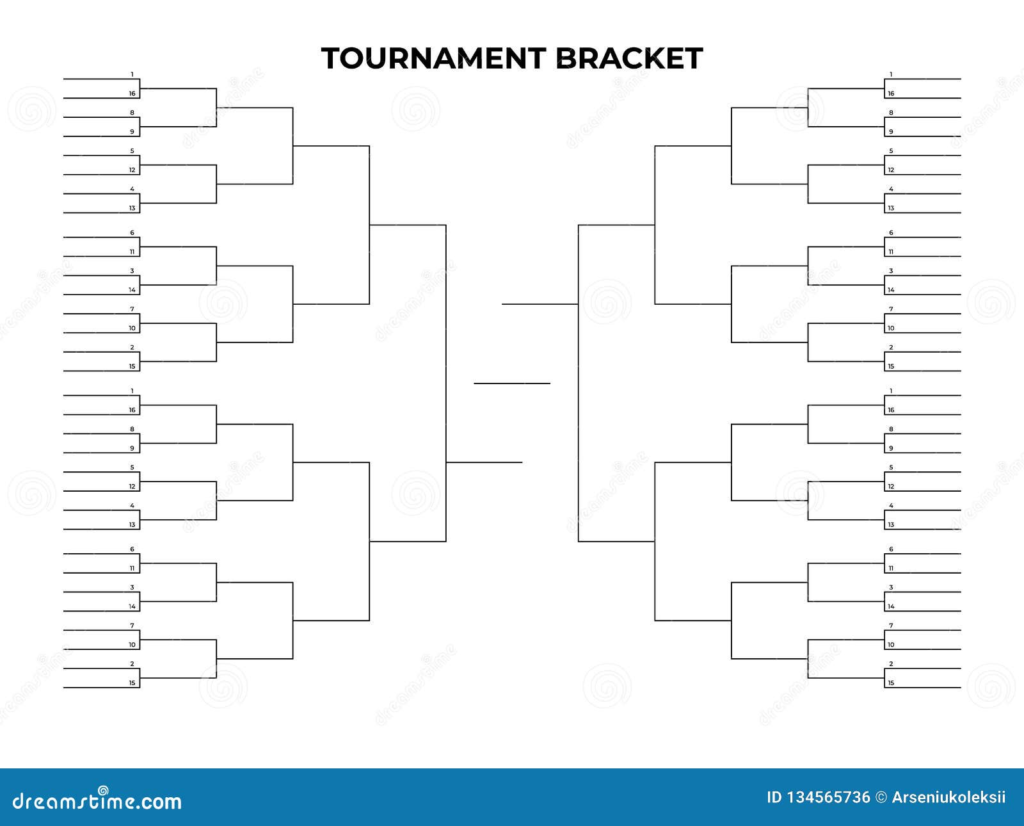
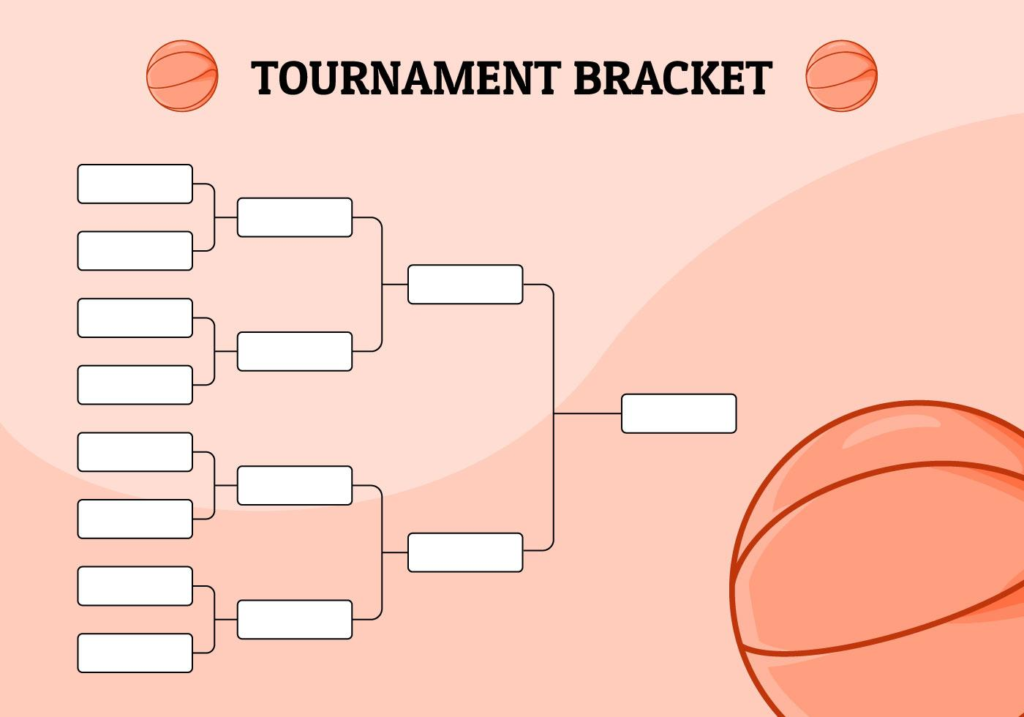
This is honestly the single thing that turns “ugh, Blooket again” into “wait, it’s tournament day?!” A bracket kids can physically see — taped to the wall, up on a shared slide, whatever — gives them a reason to check in even when they’re not playing.
A few formats worth trying:
- Single elimination. Fast, brutal, no mercy. Lose once and you’re out.
- Round robin into playoffs. Everyone plays everyone in their pod, top scores advance. Better if you don’t want one bad round to end someone’s whole tournament.
- Team brackets. Group kids up. Works great when skill levels are all over the place — stronger and weaker students end up covering for each other.
Whatever you go with, put actual names on it. There’s something weirdly effective about seeing your own name posted somewhere — even the kids who swear they don’t care will check.
Step 3: Set the Rules Before Anything Starts
Nothing tanks the fun faster than a mid-round argument about what’s fair. So decide ahead of time:
- How you’ll break ties
- Whether hints or power-ups are allowed, if the mode has them
- What happens if someone misses their slot
- Whether the questions change every round or stay the same
Write it down, hand it out, maybe even call it an “official rulebook” — feels a little dramatic, but it works. Kids take it more seriously and it heads off most disputes before they happen.
Step 4: Don’t Waste the Content
Here’s the real edge over a random party game — you control every single question. So use custom sets tied to whatever’s actually being taught right now, or pull together everything from the whole semester for a bigger review push.
For the higher-stakes rounds, consider ramping the difficulty as you go. Easy, welcoming questions early on to keep everyone in it; sharper, tougher stuff as you get closer to the finals. It’s basically how real tournaments work, and it rewards the kids who actually stayed focused the whole way through.
Step 5: Give the Whole Thing an Atmosphere
This is the part people skip, and it’s the part that matters most.
- Hype it up in advance. Name it something memorable, pick a date, throw in a hashtag if you’re feeling it. Half the fun is just the buildup.
- Keep the standings somewhere visible. Update the bracket after every round so kids can track how things are shifting in real time.
- Save the finals for a moment everyone can share — end of day, a Friday, right before break — and project it so the whole class watches together.
- Have a real prize, even a small one. A certificate, a “Champion” badge, first dibs on seats for a week, a shout-out. Doesn’t need to cost money. It just needs to feel like it matters.
Step 6: Losing Shouldn’t Feel Like the End
Tournaments fall apart fast if losing means you’re just done. Build in a comeback path somewhere — a wildcard round for early eliminations, or a separate leaderboard tracking most improved instead of raw score. Point is, every kid needs a reason to stay locked in until the last question, not just the ones who are already winning.
Step 7: Debrief, Then Just Reuse It
Once it wraps up, take five minutes and ask the class what worked and what dragged. Hang onto your bracket template and rulebook — honestly, the setup is the hard part, and once it exists, running the next one is basically just swapping in new questions.
A lot of teachers end up running this every semester because kids start asking for it before big tests — it works as review and as something to actually look forward to, which is rare.
Bottom Line
Sure, does it need more work than a single round? Yes. But that extra effort pays off — review gets stretched across several days instead of crammed into one, engagement stays noticeably higher, and “test prep” stops being something kids dread and starts being something they’re actually looking forward to. The real sign you’ve pulled it off is simple: your class starts asking when the next tournament is before you’ve even mentioned it.
Disclaimer:
This article is provided for informational purposes only. Blooket.blog is not affiliated with, endorsed by, or sponsored by Blooket. All trademarks, product names, and logos mentioned are the property of their respective owners. Advice and tips shared here are general suggestions and results may vary by classroom.