
Okay, so PUBG, picture this. You’re lying flat in some tall grass, the blue zone’s closing in behind you, and you just heard a footstep somewhere to your left. Maybe ten meters. Maybe five. You can’t tell. Your finger’s on the trigger, and you literally cannot see anyone. That right there, that one moment, is basically the entire pitch for PUBG. No superpowers, no gadgets, no second chances. Just you, whatever gun you happened to find in some abandoned barn, and ninety-nine other people who also really, really want to survive.
Where This Thing Actually Came From
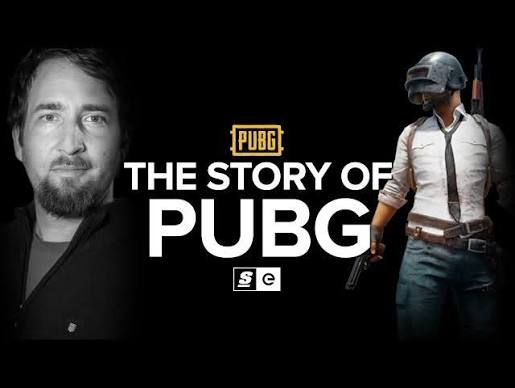
Everyone kind of assumes PUBG just showed up out of nowhere in 2017. It didn’t, not really. There’s a guy, Brendan Greene, who went by “PlayerUnknown” online back when that username still meant something. He’d spent years messing around with survival mods for other games — ArmA 2, DayZ, that whole modding scene most people never paid attention to. He was kind of obsessed with this one idea from the Japanese film Battle Royale: throw a hundred people on an island, shrink the space they’re allowed to be in, last person standing wins. He built smaller and smaller versions of that idea as mods until a Korean studio, Bluehole, noticed him and basically went, hey, come make this a real game for us.
So he did. PUBG Corp got formed around him and the game dropped on Steam Early Access in March 2017. And honestly? It was kind of a mess at first. Hit detection was janky, character animations looked stiff, servers would just… die sometimes, mid-match, no warning. None of that mattered though. Within a couple months it had blown past concurrent player numbers that games with actual ad budgets and publishers behind them couldn’t touch. By the end of the year it had sold something like 30 million copies. No big marketing push, no celebrity endorsements. It just spread because people literally could not stop talking about it to their friends.
Why It Actually Works
Strip away all the hype around it and the idea is almost stupid in how simple it is. A hundred people jump out of a plane onto a huge map. You land with nothing. No gun, no gear, not even a bandage. You’ve gotta run into random houses hoping you find a pistol before some other guy finds a rifle and just ends your day right there. And the whole time, this blue wall of death is slowly closing in from the edges of the map, whether you like it or not, forcing everyone toward the middle.
Here’s the part that makes it hit different from basically every other shooter though — when you die, that’s it. You’re done. No respawning in thirty seconds, no “eh, better luck next round.” Match’s over, for you specifically. That single detail changes literally everything about how you play. Peeking a corner stops being some casual, whatever move and becomes an actual decision you sit and think about. Driving a car across an open field becomes, weirdly, one of the scariest things you’ll do in a video game that week, even though it’s just, you know, a car and some grass.
The maps do a lot of heavy lifting too honestly. Erangel, the original one, has this gray, kind of post-Soviet farmland vibe — School and Pochinki became infamous because everybody drops there and it just turns into absolute chaos within the first thirty seconds of every single match. Miramar’s the desert map, long open sightlines, snipers absolutely love it there. Sanhok’s smaller and jungly, matches move way faster, less standing around waiting for something to happen. Ask literally any regular player which map’s their favorite and you’ll get a strong opinion back, usually with some story attached to it.
The Part People Forget Now
Here’s what’s easy to lose sight of these days — back in 2017 there was genuinely nothing else like this out there. Fortnite was still just this building-and-surviving game, its battle royale mode hadn’t even come out yet. Apex Legends didn’t exist yet. Warzone was still years off. PUBG basically proved this whole style of game could work at massive scale, and every studio in the industry took notice, almost overnight it felt like.
Epic saw what was happening and cranked out Fortnite’s battle royale mode in like a few months flat, which kicked off years of “did they just copy PUBG” arguments online and eventually an actual lawsuit from PUBG Corp about it. People can argue the specifics all day, but the hundred players, the shrinking circle, scavenging every single item from scratch — that whole formula exists because PUBG did it first.
Then Mobile Happened, and That Changed Everything Too
If the original PC release was the big explosion, PUBG Mobile coming out in 2018 was arguably even bigger just in terms of raw reach. This thing absolutely exploded across South Asia, the Middle East, parts of Southeast Asia — it basically became part of people’s daily routine. In India especially, before it got banned in 2020 over political tension between the two countries, PUBG Mobile was just everywhere. On buses. During lunch breaks at school. In hallways between classes. Everybody had it pulled up.
Porting something built around mouse precision and keyboard shortcuts onto a phone screen really shouldn’t have worked this well. Touch controls, tiny screen, no mouse — by every logical measure that should’ve felt totally broken. But somehow the core tension survived the jump completely intact. You still got that same gut-drop feeling hearing footsteps close by, even while tapping a little virtual joystick with your thumb instead of using WASD.
The Competitive Scene Got Real, Fast
PUBG built up a genuine esports presence too, which honestly surprised a lot of people. The PUBG Global Championship turned into one of the bigger events in the whole battle royale space, decent prize pools, teams flying in from all over the world to compete. Competitive PUBG looks almost nothing like just casually pubbing around though — rotations, reading where the zone’s gonna shrink before it even happens, actually communicating with your squad matters just as much as being good at aiming. Teams that played patient and smart tended to outlast the squads that just went hunting for kills the whole match.
The scoring system’s gone through a bunch of changes over the years too, because there’s this ongoing argument in the scene about whether you should reward aggressive kill-hunting more or cautious survival play more. Honestly nobody’s fully agreed on the right balance yet, and probably never will.
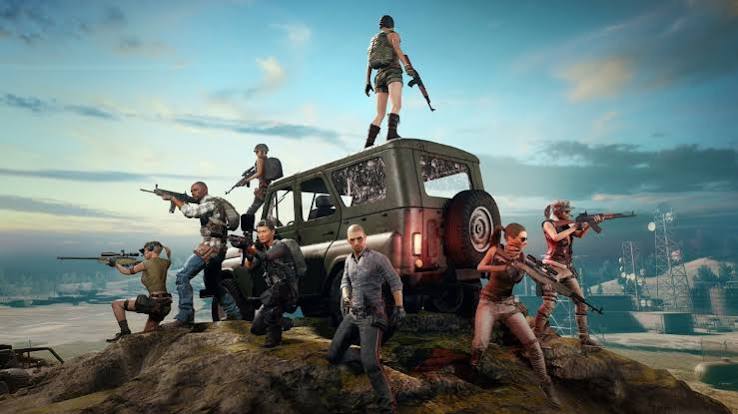
Where It’s At Right Now
, which is what the studio’s called these days, is still actively patching this game years and years later — new maps, new modes like Payload where you’re running around with helicopters and rocket launchers, ranked systems, constant balance changes. This isn’t a studio just coasting on old nostalgia. They’re clearly still trying, still invested in it.
What kept a real, dedicated player base around, even with the genre now completely flooded with competitors, probably comes down to how grounded PUBG stayed the whole time. Fortnite went full cartoon. Apex leaned hard into character abilities and gimmicks. PUBG just kept its ballistics realistic, kept its vehicles handling like actual vehicles, kept the whole thing feeling tactical instead of flashy. If you want a battle royale that feels genuinely tense instead of just chaotic and noisy, this is still the one that scratches that particular itch.
Bottom Line
At the end of the day, PUBG– all of this started because one guy couldn’t stop tinkering with survival mods nobody else really cared about, and a studio decided to take a bet on him anyway. That one bet ended up reshaping an entire genre that’s now worth billions of dollars a year. Whether you downloaded this game literally last week or you’ve got thousands of hours logged and a whole shelf of chicken dinners to show for it, there’s still nothing quite like that plane door sliding open and knowing only one person out of a hundred actually walks away.
Disclaimer:
This article is written for informational and entertainment purposes. PUBG, PlayerUnknown’s Battlegrounds, and all related trademarks are property of Krafton, Inc. and PUBG Corporation. This site is not affiliated with, endorsed by, or sponsored by Krafton or PUBG Corporation. Facts, figures, and player statistics referenced are accurate to the best of our knowledge at time of publishing and may change over time.

