You know the moment. The teacher pulls up the game code, the class goes quiet for about three seconds while everyone types it in, and then it’s total chaos. Clicking, groaning, someone yelling, “Wait, what was the answer.” And somehow, every time, the same three or four kids end up sitting at the top of the leaderboard when the dust settles.
It’s tempting to just chalk that up to them being “good at the subject.” But honestly? That’s only part of it. A lot of what separates the leaderboard regulars from everyone else has nothing to do with how much they studied. It’s a handful of habits — mental shortcuts, mostly — that fast players build up without ever really talking about them out loud.
So no, this isn’t about pulling out an actual calculator behind your teacher’s back. Nobody’s suggesting that. This is about training your brain to do the calculator’s job for you, faster than the kid next to you can even finish reading the question.
In Blooket, Fast Usually Beats Right
Here’s the thing most people miss: in modes like Gold Quest, Racing, or Tower Defense, your score isn’t just about correctness. It’s about timing. The game is built to reward decisiveness. Which means the kids winning aren’t automatically the smartest ones in the room — they’re the ones who’ve figured out how to think quickly without falling apart.
That’s basically what a calculator does, right? Turns a slow multi-step process into something instant. The players who consistently top the leaderboard have quietly built that same instinct into their own heads.
Hack 1 — Estimate, Don’t Calculate
Say a question gives you two numbers and asks for the product. Most people’s first instinct is to start multiplying, digit by digit, the “correct” way. But the faster move is to round both numbers first — get a rough ballpark — and then just scan the answer choices. Nine times out of ten, only one option is anywhere near that number. You pick it. Done. You never actually did the real math.
It feels almost like cheating the first few times you try it. It’s not. It’s just triage. And across a full match of 20-something questions, those few saved seconds per question genuinely stack up.
Hack 2 — Notice the Pattern, Not Just the Content
Here’s something teachers probably don’t love hearing: question sets get reused. A lot. If your class has run through the same deck more than once (and let’s be honest, most classes have), you start picking up on things. Certain wrong answers keep showing up as bait. Certain question formats always lead somewhere predictable.
This isn’t the same as memorizing an answer key off some shady site — that’s a different thing entirely, and it’s not what we’re talking about here. This is closer to the instinct you build after taking a dozen standardized tests, where you can just feel when an answer choice is a trap before you’ve even fully read it. Most players never develop that instinct because they’re too busy just trying to get the question right in the moment.
Hack 3 — Your Fingers Matter More Than Your Brain
This one’s not about math at all, and it might genuinely be the most underrated trick on this list. If you’re using a mouse to click your answer bubble, you are slower. Full stop. Most Blooket setups let you just tap 1, 2, 3, or 4 on your keyboard instead. Moving a cursor, aiming, clicking — that’s real time you’re losing, question after question after question.
Good players rest their fingers right over the number row before the question even finishes loading. It looks almost too casual, like they’re barely paying attention. That’s kind of the point. Less physical movement means less gap between “I know the answer” and “I’ve locked it in.”
Hack 4 — Do Math on Your Gold, Not Just the Trivia
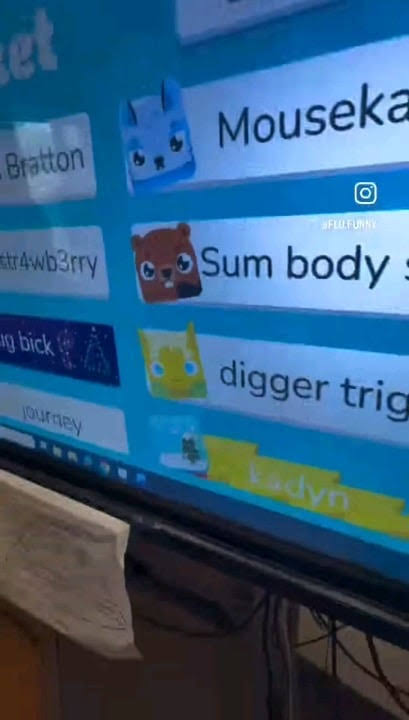
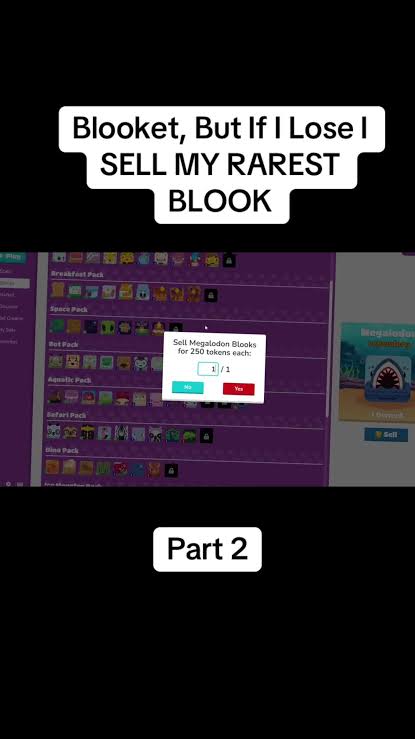
In Gold Quest or Factory especially, the actual questions are honestly only half the battle. The other half is resource management, and it’s where a lot of players quietly bleed points without ever noticing. Do you spend gold on a blessing right now? Or hold onto it in case someone tries to rob you next round? Is upgrading your factory worth it this turn, or should you wait one more round for a better multiplier?
None of that is trivia. It’s quick cost-benefit thinking happening in the background, over and over, while everyone else is just staring at the next question. Most casual players skip this layer completely — mostly because nobody ever tells them it’s there.
Hack 5 — Sort the Problem Before You Try to Solve It
Word problems are where good players separate from great ones, especially under a countdown. The trick isn’t solving faster — it’s sorting faster. Before you even touch the numbers, figure out what’s actually being asked. Sum? Difference? Rate? That split-second sorting step prevents the classic mistake: confidently answering a totally different question than the one that was actually asked, just because you rushed straight into the math.
Sort first, calculate second. Sounds obvious when it’s written out like this. Under a ticking timer, though, almost nobody actually does it — they just dive straight into calculating and end up making mistakes they’d never make with more time.
Why This Might Bug Your Teacher a Little
To be clear — none of this involves looking things up, using outside tools, or gaming the platform in some way that undermines the whole point of using Blooket. Teachers use it because it makes review actually fun, and gets kids engaged with material they’d otherwise tune out completely. Fair enough.
But it’s also not hard to see why a teacher might raise an eyebrow at a student who blows through a review deck at a speed that seems almost unrelated to how well they know the unit. That reaction makes sense too.
Here’s the honest catch, though: none of these hacks work in a vacuum. Estimating only helps if you already have some sense of the material. Pattern recognition only kicks in once you’ve actually played the set a few times. Keyboard shortcuts only matter once you’re already fast enough for the extra milliseconds to count for something. These aren’t shortcuts around actually knowing the content — they’re what knowing the content looks like once you’re fast enough to compete against a timer.
The Actual Takeaway
Next time your teacher fires up a Blooket game, don’t overthink it. Estimate instead of grinding out exact math every time. Get your fingers on the number keys instead of reaching for your mouse. Pay attention to the stuff you’ve already seen instead of treating every question like it’s new. And remember — how you spend your gold matters just as much as whether you get the question right.
None of it requires an actual cheat. It just requires playing the whole game, not just the trivia part of it.
Disclaimer
This article is meant for entertainment and general strategy purposes only. The tips above are mental shortcuts and gameplay strategies — not cheats, hacks, or tools that violate Blooket’s terms of service or your school’s academic integrity policies. Always follow your teacher’s and school’s guidelines when playing Blooket in class.