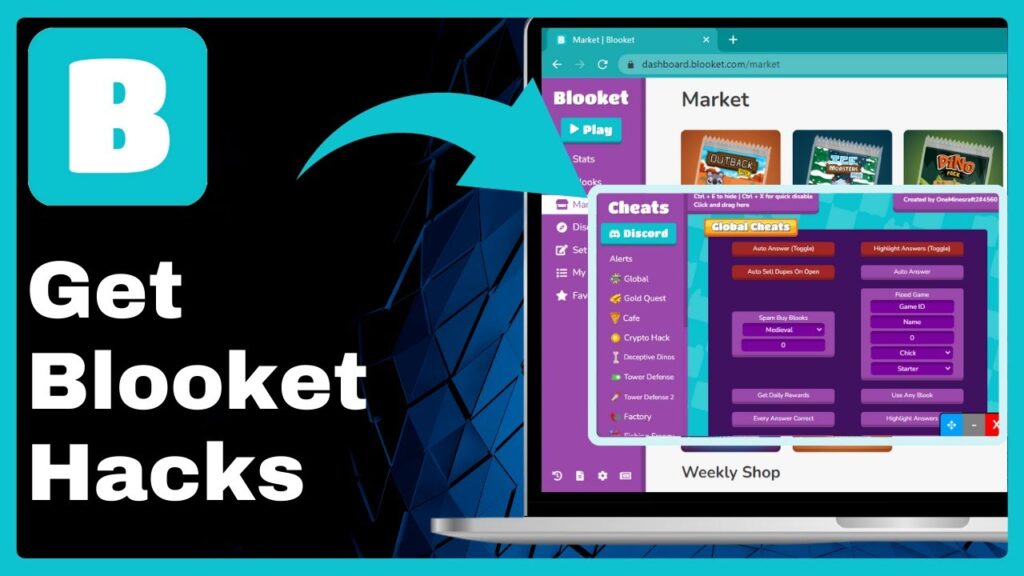

Your kid comes home and says, “Can we play Blooket tonight?” and you nod along, having no idea what that even is. Sound familiar? A lot of parents end up in this spot because Blooket has quietly become one of the most-used classroom tools in American schools, and nobody sends home a permission slip for it. So let’s actually go through what it is and whether you need to worry about it.
The Short Version
Blooket is a review game teachers use in class. Picture Kahoot, but with more game modes and a collectible-character gimmick layered on top. Teachers load up quiz questions — usually pulled straight from whatever unit the class is studying — and students answer them inside a game like “Gold Quest” or “Tower Defense” to earn points and rewards. It launched in 2019 and has spread into thousands of classrooms since.
Kids like it because it doesn’t feel like a worksheet. Teachers like it because a room full of teenagers will happily do trivia review for twenty minutes if you tell them it’s a game.
Do Kids Need an Account?
Here’s the part most parents don’t realize: usually, no. When a teacher runs a live game, students just go to blooket.com/play, punch in a game code, type a nickname, and they’re in. No email. No password. No account at all.
Some kids do make their own accounts, though — usually because they want to build their own question sets or unlock the solo game modes to play at home. That’s a slightly different situation, and I’ll get to it below.
What About Strangers Contacting My Kid?
This is the question that actually matters, so I’ll answer it straight: no, Blooket doesn’t have chat. No direct messages, no friend requests, no public forums where kids talk to each other or to random adults. There’s genuinely no built-in way for a stranger to reach your child through this platform.
Live games only include whoever has the specific code the teacher shared for that session — it’s not matchmaking with strangers online. The whole interaction is: answer a question, watch a leaderboard move. That’s it.
So if your worry is “is this the next thing where predators are messaging kids,” you can mostly set that worry down. It’s just not built that way.
Okay, So Where’s the Actual Risk?
I wouldn’t tell you Blooket is risk-free, because nothing digital really is. But the risks here are boring, low-stakes ones — not the scary kind.
A teacher could accidentally post a game code somewhere too public, and technically anyone who stumbles on it could join the lobby before the round starts. This happens more from a teacher being casual with a code than any flaw in Blooket itself.
Nicknames are another small thing. Kids pick their own display name each round, and once in a while a kid picks something dumb or inappropriate. Most teachers watch the lobby and can boot anyone before the game starts, but it’s not automatically filtered every time.
Then there’s the question sets. Teachers can build their own, or grab a public one someone else made. Public sets go through some moderation, but user-generated content on any platform occasionally slips through before it gets flagged. If a teacher is using a set they didn’t build themselves, that’s the one spot where something inappropriate could theoretically show up — though in practice this is rare.
And in-game purchases: Blooket has a marketplace where kids spend coins they’ve earned by playing on cosmetic items. There’s a paid “Blooket Plus” tier too, but that’s a subscription typically bought by a teacher or parent, not something a kid can accidentally charge to a credit card mid-game.
None of this is the kind of thing that should keep you up at night. It’s the same low-level stuff you’d want to know about any classroom tool.

Is My Kid’s Data Being Collected?
Blooket says it follows COPPA rules, which govern what platforms can collect from kids under 13. If your child is playing without an account — which, again, is the norm for classroom use — there’s basically no personal data changing hands beyond a nickname they typed in for that one session.
If they’ve made their own account, it’s worth a quick look together at what they entered during sign-up. A nickname and a parent’s email address is a safer setup than a kid’s real name and their own email, and that’s true for pretty much any platform a kid signs up for, not just this one.
Also worth knowing: if your school district already approved Blooket for classroom use, someone at the district level has probably already reviewed its privacy practices. A quick email to your kid’s teacher can confirm that if you want the reassurance.
A Few Things You Can Actually Do
- Ask your kid whether they’re playing through a teacher’s game or their own account. That one answer tells you a lot about what data, if any, is involved.
- If they do have an account, sit down and look at the sign-up info together. Swap out anything too identifiable.
- Have the “pick a normal nickname” talk. Takes thirty seconds, applies to basically every online game they’ll ever touch.
- If they’re playing solo at home, watch a round with them once. You’ll understand the whole thing better in five minutes than from any article, including this one.
- Ask the teacher, casually, whether they build their own question sets or use public ones. Teachers who write their own eliminate this concern entirely.
So, Is It Safe?
Compared to almost anything else your kid might ask to download, Blooket is on the tame end. No chat, no strangers, usually no account needed at all. The stuff worth paying attention to is mostly about how a particular teacher runs their classroom — sloppy code-sharing, an unfamiliar question set, a kid picking a weird nickname — rather than anything wrong with the platform itself.
If your kid’s teacher is using this to drill vocab words or times tables, there’s not much to lose sleep over. Still, it never hurts to ask a couple of questions and actually watch it in action once. Five minutes, and you’ll know exactly what your kid is spending their afternoons on.
Disclaimer
This article is for general informational purposes and reflects Blooket’s publicly stated features and policies as of the time of writing. Platform features, privacy practices, and terms of service can change, so we recommend checking Blooket’s official privacy policy and speaking with your child’s teacher or school for the most current details. This is not legal advice.