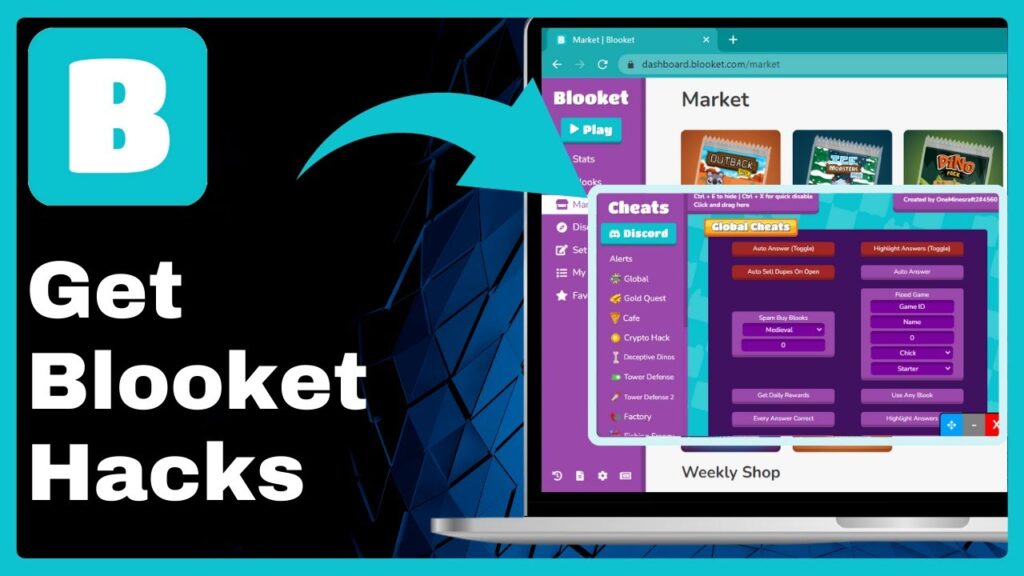
If your kid came home talking about “Blooks” and begging to open a “pack,” you’re not alone in wondering what exactly they’ve been playing at school. Blooket has quietly become one of the most-used classroom tools in the country, and for good reason — teachers like it because it turns quiz review into something kids actually want to do. But as a parent, “my kid loves it” isn’t quite the same question as “is it actually safe.” So let’s actually walk through it.
What Blooket Even Is
Strip away the game-show energy and Blooket is a quiz platform. A teacher builds or imports a set of questions, picks one of several game modes — Gold Quest, Tower Defense, Café, Battle Royale, and a handful of others — and shares a join code with the class. Kids type the code in, pick a temporary username for that session, and answer questions in real time while a game layer runs on top of it. Correct answers earn tokens, tokens buy “packs,” and packs contain the collectible characters (Blooks) kids get so attached to.
That’s genuinely most of what’s happening under the hood. There’s no open world, no persistent chat room, no social feed. It’s a quiz with a game skin on it.

The Part Most Parents Actually Worry About: Strangers and Chat
This is usually where “is it safe” conversations start, so let’s get straight to it: Blooket has no chat feature, no messaging, no friend system, and no way for one player to contact another. During a game, all you see of other players is a username on a leaderboard — that’s the entire social surface of the platform. There’s no direct-message box, no comment section, nothing resembling the stranger-contact risk that shows up on platforms like Roblox or Discord.
So if your kid is sitting in their room playing Blooket by themselves, they’re not talking to anyone. They’re answering quiz questions inside an instance that only exists for that one class session. Once the game ends, that instance is gone.
Accounts, Privacy, and What Data Actually Gets Collected
Most kids never even need an account. The typical setup is: a teacher hosts a game, shares a code, and the student joins by typing that code plus a nickname for the session — no email, no signup, no personal information required at all. That’s the version most students experience day to day.
An account becomes relevant only if a kid wants to save their Blook collection across multiple sessions, join a class their teacher has set up persistently, or track stats over time. For kids under 13, Blooket requires verifiable parental consent before an account can be created, in line with COPPA — the federal law that governs how children’s data can be collected online. Blooket’s own privacy policy states plainly that it only collects the minimum information needed to run the account, and it doesn’t track kids across other websites to build advertising profiles.
When Blooket is used through a school rather than set up directly by a parent, there’s a separate legal layer at play: FERPA, the law covering student education records. Schools are allowed to consent on behalf of parents for tools used for legitimate educational purposes, which is why your child’s teacher can hand out a Blooket code without sending home a permission slip for every single classroom tool. If you want the fuller picture of what that means for your specific school, your child’s teacher or the school’s tech coordinator can tell you what data-sharing agreement, if any, is in place.
The one piece of practical advice worth passing along here: if your kid does set up an optional account, have them use a username that isn’t their real name. A lot of kids will type something like their actual first name plus their birth year without thinking twice, and since usernames are visible to everyone else in a live game, that’s a small but easy habit worth correcting early — the same advice applies to basically every platform they’ll ever use, not just this one.
No Ads, No In-App Purchases
This one surprises a lot of parents who are used to bracing for a monetization trap. There’s nothing to buy inside Blooket as a student. Tokens are earned purely by playing — answering questions correctly — and spent on opening Blook packs. There’s no option to pay real money for more tokens, no premium currency, no “$4.99 for a rare Blook” prompt anywhere in the student experience. The paid tiers Blooket offers (Blooket Plus and similar plans) are sold to teachers and schools for extra hosting features, not to kids for gameplay advantages. And the student side of the platform runs ad-free, so you don’t have to worry about your kid being served ads mid-quiz.
Where the Actual Risk Lives: Question Sets
If there’s one place where genuine caution is warranted, it’s here. Blooket hosts an enormous, community-built library of question sets that anyone can create and share, covering everything from third-grade math to AP History. Most of it is exactly what it looks like — teacher-made review material. But because the library is open and user-generated, it’s not impossible for something inappropriate or off-topic to slip into a publicly shared set, the same way it can on any platform that allows user-uploaded content.
In practice, this is much less of a concern when a teacher is hosting the game, since teachers generally review or personally build the sets they use in class. It becomes more relevant if your kid is browsing and playing solo sets at home rather than joining a teacher’s session — worth a quick look over their shoulder the first few times, just to get a sense of what they’re gravitating toward.
The Thing That’s Actually Worth Watching: Competitive Pressure
Here’s something that doesn’t show up in a typical safety checklist but is worth knowing anyway, especially for younger kids. A lot of Blooket’s game modes run on a live leaderboard, and for some kids that’s motivating — they love watching their name climb. For others, especially younger elementary-aged kids, sitting near the bottom of a visible leaderboard while classmates are near the top can genuinely sting. That’s not really a “Blooket problem” so much as a normal developmental thing, but it’s a much more realistic thing to prepare a young kid for than any stranger-danger scenario. If your child seems to get frustrated or discouraged after playing, it’s worth talking about what the game is actually for — practicing the material, not necessarily winning the round — and pointing them toward the calmer, less competitive game modes if the leaderboard stress isn’t landing well.
The Bottom Line
On the dimensions parents usually mean when they ask “is this safe” — strangers, chat, in-app spending, data selling, ads — Blooket comes out clean. There’s no chat system to worry about, no way for your kid to be contacted by someone they don’t know, no real-money purchases anywhere in the student experience, and a privacy policy built around COPPA and FERPA compliance rather than data harvesting. The realistic things worth your attention are smaller and more mundane: picking a sensible username if they make an account, keeping half an eye on what question sets they’re browsing solo, and being ready for the occasional leaderboard meltdown in a younger kid. As far as the platforms your child is likely to encounter at school or at home go, Blooket sits on the safer end of that list..
Disclaimer:
This article is intended for general informational purposes and reflects Blooket’s publicly available privacy policy, terms of service, and platform features as of publication. It is not legal advice. Privacy practices and platform features can change over time, so parents are encouraged to review Blooket’s current Privacy Policy and Terms of Service directly at blooket.com for the most up-to-date information.