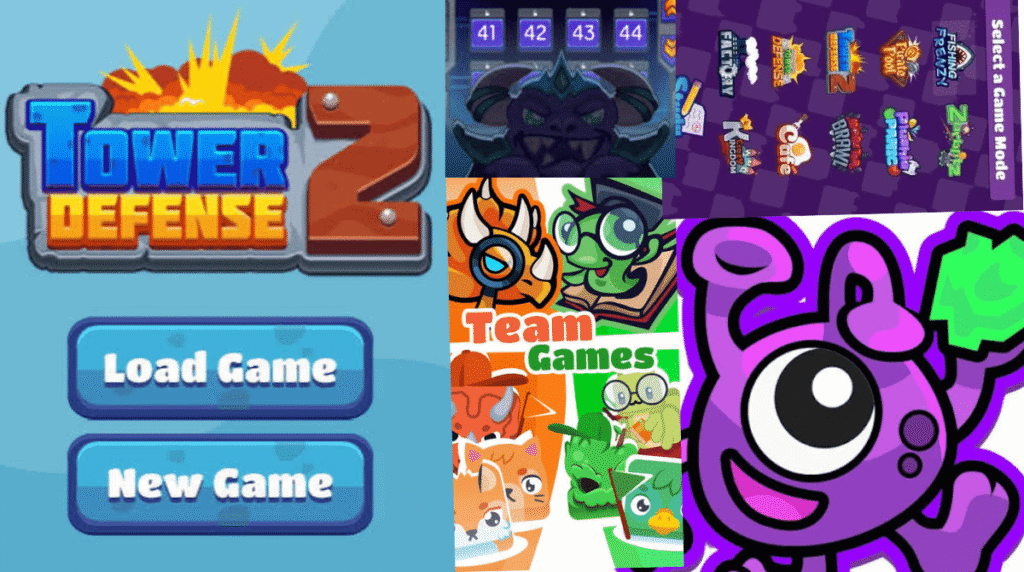
I’ve watched enough Blooket sessions at this point to notice a pattern that has nothing to do with the actual trivia. It’s the noise level. Put a class into a solo mode like Gold Quest and the room goes almost eerily quiet — everyone’s hunched over their own device, chasing their own leaderboard spot. Switch to a team format, and suddenly it’s chaos. Kids arguing over answers. Someone yelling “no, it’s B, trust me.” A random burst of cheering when the team pulls ahead.
Same platform, same questions half the time, totally different vibe. So which one is actually better?
I’ll save you some time: there’s no single winner here. Anyone who tells you solo crushes team, or team crushes solo, hasn’t run enough sessions to see how differently they perform depending on the goal. What I can do is break down exactly where each one earns its keep, and where it quietly falls apart.
The Case for Going Solo
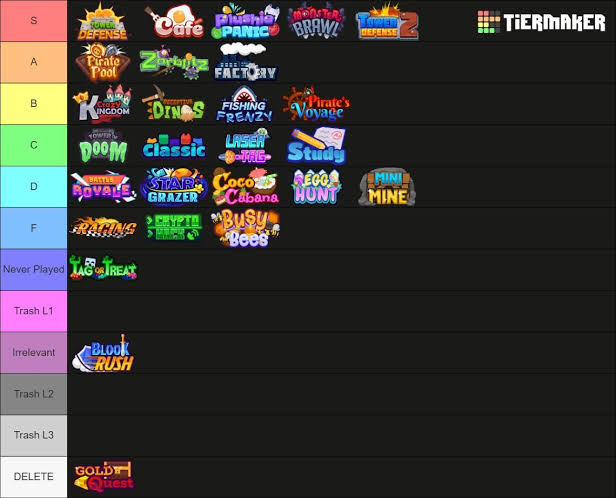
Solo modes strip away every excuse. Gold Quest, Racing, Tower Defense — these put one kid, one screen, one score, no teammate to lean on. That’s uncomfortable for some students, and that discomfort is actually the point.
Here’s the thing teachers care about more than they let on: solo play is the only format that tells you the truth. Group games are great, but they’re also really good at hiding who’s actually learning and who’s just riding along, nodding at whatever their smarter teammate says. Put that same kid on their own and the mask comes off fast. You find out in about ninety seconds who studied and who didn’t.
There’s also something to be said for the quiet. I don’t mean that in a “kids need silence to learn” kind of way — I mean competitive quiet, the kind where everyone’s too locked into their own leaderboard climb to bother talking. It’s a weirdly effective form of engagement. Nobody’s coasting on a teammate’s effort. Nobody’s assuming someone else will answer the next one. Every question is on you, and that little jolt of pressure keeps people locked in.
Pacing is another underrated win. In a team setup, your fastest kid is stuck waiting on your slowest one, or worse, steamrolling them before they even get to read the question. Solo mode removes that friction entirely. Quick kids fly through. Kids who need a second to think get that second, without an impatient teammate hovering.
None of that means solo mode is flawless, though. Sit at the bottom of a public leaderboard with no one else attached to your score, and that’s a rough five minutes for a ten-year-old. There’s no cushion, no teammate to share the blame with, no “well, at least we got some right.” It’s just you, your score, and everyone else’s screen showing exactly where you landed.
The Case for Playing as a Team
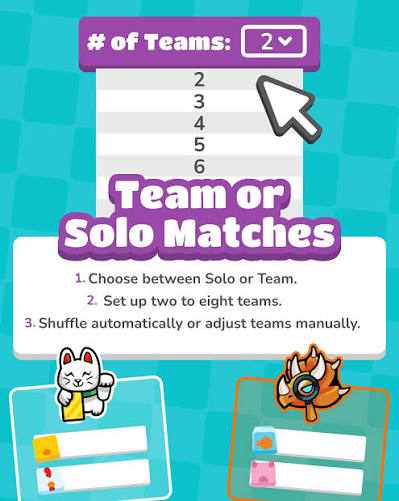
Now flip it. Team modes turn Blooket into something closer to a group project than a quiz — which sounds like a knock, but honestly, it’s the whole appeal.
The second you put students on a team, they start talking. Not about lunch or whatever drama happened before class — actually about the question. “Wait, I think it’s this one.” “No, remember, the teacher said—” That conversation is where a lot of the real learning sneaks in, arguably more than from the trivia question itself. A kid explaining an answer to a teammate is reinforcing it for themselves twice over. That’s not something a solo leaderboard can replicate, no matter how well-designed the questions are.
Team play is also just kinder, emotionally. A student who’s struggling doesn’t get hung out to dry on their own personal scoreboard — they’re folded into a group, and a wrong answer gets absorbed into the team total instead of broadcast next to their name. For a shy kid, or a kid who’s anxious about being watched, that safety net matters more than people give it credit for. I’ve seen quiet, checked-out students light up in a team setting purely because the pressure isn’t sitting on them alone.
There’s a strategic layer here too that solo modes just don’t have room for. Teams start figuring out who’s strong where — who takes point on the fast rounds, who double-checks before anyone hits submit, who’s better at reading the trick questions. That’s a genuinely useful skill, and it’s got nothing to do with trivia content. Quick group decision-making, divvying up responsibility, trusting a teammate’s judgment under a countdown timer — that’s the kind of thing that sticks around long after the game’s over.
Of course, team mode has the same flaw every group project in the history of school has had. One motivated kid ends up carrying two or three teammates who barely engage, and after a few rounds of that, they start to notice. Teachers lose some clarity too — a team’s high score tells you the group did fine, but it doesn’t tell you which specific student actually learned the material and which one just got lucky sitting next to someone smart.
So Which One Wins?
Depends entirely on what you’re trying to get out of the fifteen minutes you’re spending on this.
Need a real read on who’s ready for a test and who isn’t? Go solo. There’s no format that gives you cleaner data on individual understanding, and honestly, older students tend to handle the pressure fine — some of them even prefer it, because there’s nobody to let down but themselves.
Trying to build energy in the room, review before a test without the stakes feeling like a test, or get a shy kid to actually participate? Team mode wins that every time. It’s forgiving in a way solo play just isn’t built to be, and that forgiveness is often exactly what gets a reluctant student to engage at all.
Most teachers I’ve talked to who use Blooket regularly don’t pick a side — they rotate. Team games early in a unit, when the goal is exposure and low-stakes repetition. Solo games closer to the actual test, when the goal shifts to “does this specific kid actually know this.” That combination tends to beat sticking rigidly with either one for an entire semester.
The Real Takeaway
Solo mode wins on honesty. Team mode wins on heart. Trying to crown one permanent champion misses the point entirely — they’re not solving the same problem, so comparing them head-to-head was never really fair to begin with.
The actual skill isn’t picking a favorite mode and defending it forever. It’s reading your classroom on a given day and knowing which format actually serves what you need right now. Some days that’s a quiet, competitive grind. Other days it’s controlled chaos with kids yelling answers at each other. Both are Blooket doing exactly what it’s good at — you just have to pick the right version for the room you’re standing in.
disclaimer
Blooket.blog is an independent resource and is not affiliated with, endorsed by, or sponsored by Blooket or its creators. All product names, logos, and trademarks referenced are the property of their respective owners.