Somebody’s kid mentions “Café” or “Tower Defense” at dinner and you nod along, assuming it’s some new game on their tablet. Then you find out it happened during math class. During a review session. For a quiz.
That’s Blooket in one sentence, basically. A quiz that doesn’t feel like a quiz. Let’s actually get into what it is, though, because “gamified learning platform” is the kind of phrase that explains nothing.
Okay, But What Is It Really
Blooket is a free website where teachers turn regular question sets into games. Not “games” in the loose, marketing sense either — actual games, with mechanics, strategy, sometimes even other players messing with your progress. A teacher picks or writes some questions, students join on their phone or laptop with a short code, and from there the questions become fuel for whatever game mode got picked. Answer right, you move forward. Answer wrong, something sets you back a bit.
Kahoot does something similar. So does Quizizz. Fair comparison. But Blooket’s whole thing is that one set of questions can run through dozens of completely different games. Same trivia, wildly different experience depending on which mode you pick. That’s really the entire hook.
The Origin Story Is Better Than You’d Expect
No startup incubator here. No pitch deck. Just one high school kid who got sick of the same boring review games.
Ben Stewart was a senior at a high school in Delaware, tired of playing the same handful of classroom games where the same students always won and nothing ever changed. So — and this is the part people skip over — he just taught himself to code and built his own version. His brother Tom jumped in not long after to run the business side of things, and eventually the two of them made it official as a real company sometime around 2018 or 2019.
The public launch happened in late 2020. And yeah, that timing was almost too perfect — every school in the country had just gone remote, teachers were desperate for anything that could keep kids engaged through a screen, and there was Blooket, ready to go. No investors, no acquisition, nothing like that. It just spread teacher to teacher, which honestly says more about it than any marketing campaign could.
How You Actually Set One Up
Genuinely takes a couple minutes.
Step one, grab a question set. Write your own or just pull one from the shared library — there are millions of them already made by other teachers, so odds are decent something for your topic already exists.
Step two, pick a mode. This is the real decision. Not one fixed format like most tools — you’re choosing from a big lineup of totally different games that all just run on top of the same questions.
Step three, share the code. Click host, get a short code and a link, students punch it in on whatever’s nearby. No accounts needed on their end unless you specifically want that.
Then you sit back and watch it run. That’s it.
Where All the Actual Fun Is: The Modes
There are somewhere around 27 modes right now, split between free ones and the ones locked behind the paid tier.
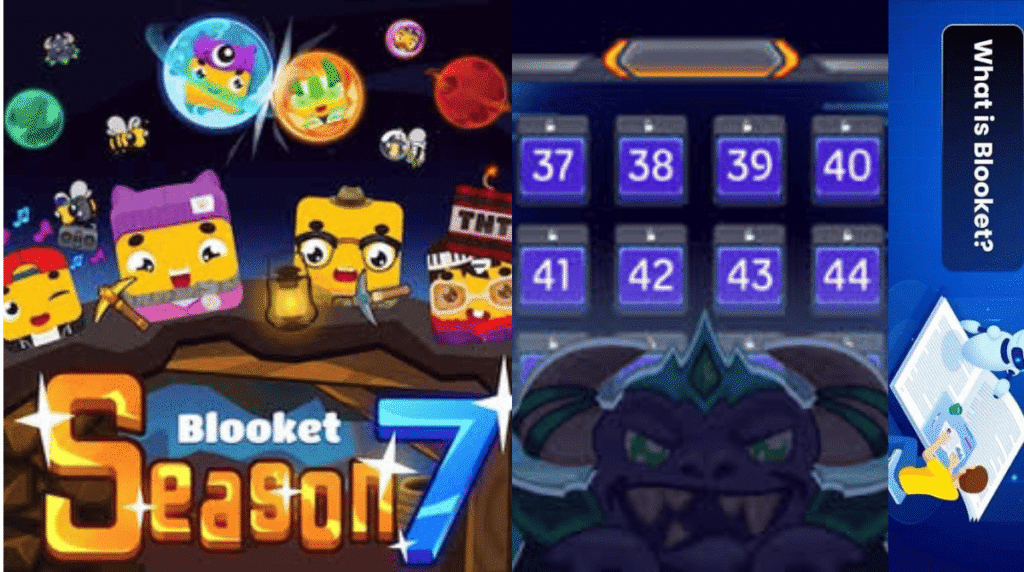
A few to give you a sense of the range. Tower Defense has you earning resources off correct answers to build up defenses against incoming waves — plays almost like an actual strategy game. Café turns the whole thing into managing a little restaurant where keeping customers happy depends on your answer streak. Gold Quest is a straight race to collect gold before time runs out, with the twist that other players can steal from you, which somehow makes even the most basic trivia questions feel tense. Beyond those there’s racing modes, building modes, a few mystery-solving ones — enough variety that the underlying quiz never feels like the same thing twice.
Some modes need a full group playing together live. Others are one-player, meant for solo practice. And there’s a Homework mode specifically, where the teacher just sets a target — twenty right answers, say — and the student picks whatever solo mode they’d rather use to get there.
Blooks: The Part That Hooks Kids Way More Than the Learning Does
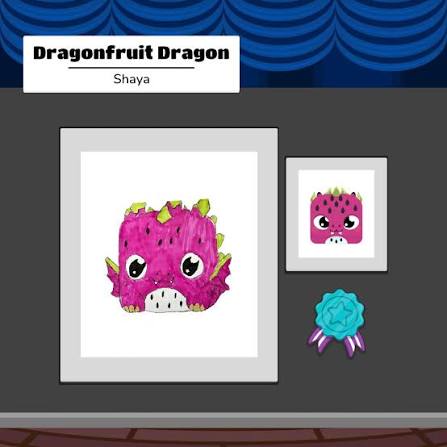
Correct answers earn tokens. Tokens buy little collectible characters called Blooks — basically digital trading cards. Some are common, some rare, a few are genuinely hard to pull. And here’s the thing nobody expects going in: kids who couldn’t care less about a trivia round suddenly care a lot when there’s a shot at a rare Blook on the line.
It’s a small system sitting on top of the actual educational part, but it’s a huge reason kids come back and play on their own time, no teacher required.
Free Plan vs. Blooket Plus
The free tier — Starter — is actually usable for the long haul, not some trial that quietly cuts you off. No card needed up front. You get unlimited question sets, the full shared library, and a good chunk of the game modes without paying anything.
Blooket Plus is the paid version, and it opens up the rest of the modes, better reporting on how students are actually doing, and room for bigger groups. Costs a few dollars a month, less if you pay yearly — which makes sense given most teachers are covering this out of their own pocket, not a school budget.
Worth paying for? Depends entirely on how often you’d use it. If it’s an occasional treat, stick with free. If it’s a weekly habit, Plus pays for itself pretty quick just off the extra modes.
Who This Is Actually For
Mostly K-12 classrooms — that’s obviously what it was built around, down to the reward system and the whole tone of it. But it’s not exclusively that. A handful of college instructors and even some workplace trainers use it too, because the underlying idea works for basically any group that needs information to stick without sitting through another flat, forgettable quiz.
If You’re Trying This for the First Time
Don’t build your own set right out of the gate — just grab one from the library. Run your first live round with something simple, Classic or Gold Quest, rather than diving straight into the weirder modes. Once you and your class get a feel for the flow, that’s when the more elaborate stuff is actually worth exploring.
Students don’t need to prepare anything. Type in a code, and the game basically explains itself as it goes.
Bottom Line
Blooket works because it never really pretends it isn’t a quiz — it just wraps that quiz inside something people actually want to keep playing. One bored high schooler built it because the alternatives annoyed him enough to do something about it, and years later it’s still one of the more genuinely liked tools in classrooms, mostly because it never stopped feeling like a game first. If you haven’t tried it, that’s the whole pitch: free to get into, five minutes to figure out, and your students probably already understand it better than you ever will.
Disclaimer:
This guide is written for informational purposes and is not officially affiliated with, endorsed by, or sponsored by Blooket or its parent company. All product names, logos, and brands are property of their respective owners. Details such as pricing, mode counts, and features are current as of publication and may change — always check Blooket’s official site for the latest information.